

Sustainability
Building a more responsible and resource-efficient future through operational excellence, transparency, and continuous improvement.
At Wurth Canada, sustainability means acting responsibly in the way we operate our business, source and package our products, as well as how we serve our customers. We are strengthening our sustainability approach by combining reliable reporting with practical action—focusing on circularity, responsible sourcing, operational efficiency, workplace safety, and ethical business conduct.
Key Highlights at a Glance
Our 2025 reporting reflects a strong focus on packaging circularity, waste management, fleet transition, workplace governance, and transparent compliance processes. We continue to build on this foundation while expanding our efforts in responsible sourcing, environmental management, and energy transition.
Our Sustainability Approach
We approach sustainability as an ongoing business responsibility. Our focus is to create measurable progress in the areas most relevant to our operations and stakeholders, while maintaining transparent reporting and strong business ethics. Our current approach is built around four priorities:
- Responsible operations – tracking key data related to packaging, waste, energy, water, and mobility.
- Circular thinking – increasing the use of recycled and responsibly sourced materials where practical.
- People and safety – maintaining safe workplaces and ethical labor practices.
- Trust and compliance – upholding high standards for quality, integrity, and responsible supplier engagement.
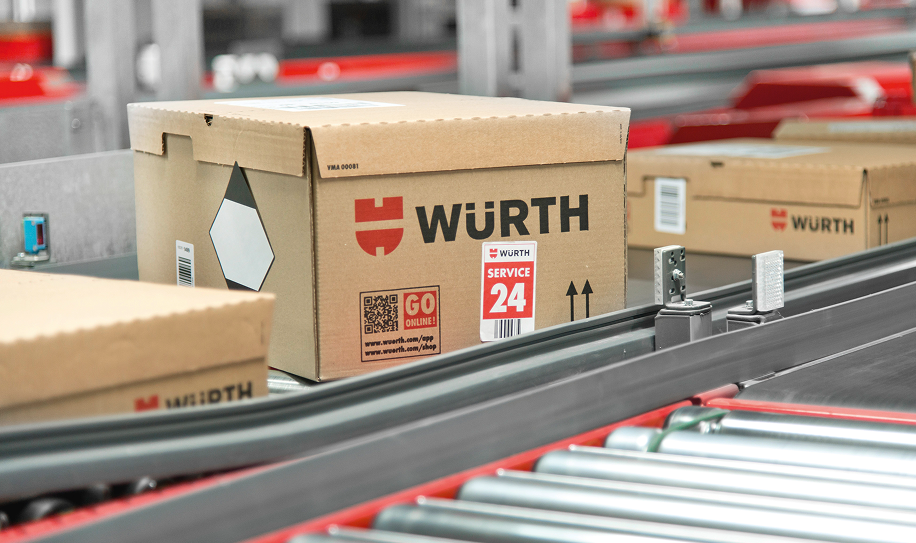
Reducing material impact and improving packaging circularity are among the strongest parts of our current sustainability performance. We actively track packaging use and continue to look for opportunities to increase recycled content and improve responsible sourcing.
Public figures (from 2025 reporting and future initiatives)
- Approximately 93% of actively added packaging in 2025 was made from recycled material.
- More than 402 tons of recycled packaging were used in 2025.
- Paper and cardboard make up the largest share of our recycled packaging material mix.
- 194.9 tons of waste were sent for recycling in 2025.
- We are exploring further opportunities to strengthen packaging sourcing and certification visibility, including FSC and PEFC, where applicable.
Packaging plays an important role in both customer experience and environmental impact. Our current reporting shows strong use of recycled content packaging, particularly in paper and cardboard formats. Going forward, we aim to build on this by strengthening packaging supplier expectations, reviewing certification opportunities, and progressing toward a more circular packaging approach.
We monitor energy, fleet, and utility-related indicators as part of our environmental reporting. While this remains an active improvement area, our current data already supports a more structured approach to operational efficiency and emissions management.
Public figures (from 2025 reporting)
- 156 hybrid vehicles were part of our fleet in 2025.
- Water withdrawal decreased from 2.87 million liters in 2023 to 1.54 million liters in 2025.
- Energy, heating, and mobility are tracked across our reporting scope to support future improvement planning.
- We continue to evaluate practical opportunities related to energy efficiency, fleet transition, and renewable electricity sourcing.
We are strengthening our operational sustainability through better visibility into fleet, resource, and utility performance. Our focus is on practical improvements that support efficiency, transparency, and long-term reduction of emissions.
Responsible business conduct extends beyond our own operations. We are taking steps to strengthen how sustainability expectations are communicated and evaluated within our supplier relationships, with a particular focus on ethical business conduct, labor expectations, environmental responsibility, and responsible sourcing.
Public figures (from 2025 reporting and future initiatives)
- Würth Canada is working toward a more structured supplier sustainability approach aligned with Würth Group direction.
- Key topics for supplier engagement include ethics, labor standards, environmental responsibility, and responsible material sourcing.
- A supplier code of conduct and simplified supplier sustainability evaluation process are practical focus areas for further development.
- Packaging supplier engagement may also support improved visibility into FSC / PEFC certification where applicable.
Our supply chain is an important part of our sustainability journey. We are working toward stronger supplier sustainability governance through clearer expectations, practical screening steps, and closer collaboration with partners on responsible sourcing and business conduct.
Safe workplaces, ethical conduct, and compliance are foundational to how we operate. Our reporting reflects strong governance and disciplined operational controls that support customer and vendor trust.
Public figures (from 2025 reporting and future initiatives)
- ISO 9001 certified quality management system.
- Occupational health and safety management framework in place through internal responsibility system requirements.
- 0 confirmed incidents of corruption in 2025.
- 0 legal actions related to anti-competitive behavior in 2025.
- 0 environmental fines or sanctions in 2025.
We believe sustainability must be supported by integrity, accountability, and safe working practices. Our business processes are built on strong quality standards, clear compliance expectations, and a commitment to ethical conduct in the way we serve our customers and work with our partners.
Current Focus/Roadmap
As our sustainability approach continues to evolve, our current focus is on turning strong reporting foundations into broader operational action. Key development areas include:

Supplier sustainability screening and supplier code of conduct rollout.
Review of FSC / PEFC opportunities in applicable packaging supply chains.
Further development of environmental management practices and governance structure.
Evaluation of renewable electricity and energy transition opportunities.
More defined sustainability targets to support continuous improvement over time.
Selected metrics shown are based on Würth Canada’s 2025 sustainability reporting data and are subject to ongoing refinement as sustainability governance and data maturity continue to develop.