Please enter only numerical values in the quantity fields
An error occurred. Please try again later.
Please enter at least one item
Shop Our Monthly Specials: Save Up to 30% on Select Tools. Shop Now
Promo code details
Subject to availability, check online or with your Wurth Sales Rep for up-to-date stock information. Promotions not applicable to National Account customers or those with an existing price agreement/trade discount.
High-Performance Sealants & Silicones for Demanding Jobs
Built for automotive and construction professionals, Wurth Canada delivers reliable chemical solutions that perform when it matters most.
Liability statement: This recommendation is based on our experience and on the user inputs of the questionnaire. Wurth Canada does not assume liability for any failures related to using incorrect products. The recommended product may not be the correct product for your application.
More questions about sealant products? We have a helpful
FAQto assist.
Frequently Asked Questions
Silicones are used to seal gaps between 2 surfaces and create flexible and water-proof seals. Silicones can be used in both indoor and outdoor environments. Acrylics are used to fill gaps and are paintable and usually are used only indoor applications. There are silcionized arylics that can offer some water-proofing and more flexibility and are also paintable. Polyurethane adhesive sealants are generally used when you need to structurally bond 2 surfaces while also creating a seal between the materials.
A caulk is generally referring to a product used for filling gaps and sealing between wall and trim or other openings around pipes or equipment. A sealant is usually what is referring to a silicone or possibily a polyeurethane adhesive sealant to create a durable, water-proof seal.
A silicone is what you reach for when you need a flexible, waterproof seal. Depending on the substrate you may want to choose either an acetic or neurtal curing product.
While both silicones will provide a long term, flexible, water-proof seal the chemistry between the 2 products are different. Acetic silicone products release an acidic odor when curing and are not recommended for use on sensitive or corrosive surfaces like mirrors, brass and copper, or porous surfaces like concrete and brick. These should also not be used around sensors in automotive applications. Acetic silicones are generally less expensive and are ideal when using on non-porous surfaces and best for kitchen and bath applications. Neutral cure silicones or oxime cures do not release odors so can be better for use in confined spaces, around sensors and are non-staining and non-corrosive so would be recommended for applications around sensitive metals, mirrors, concrete and stone.
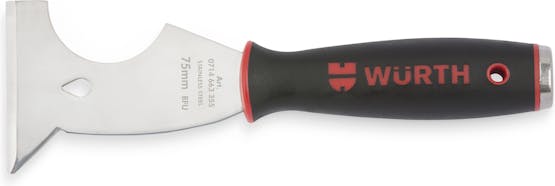
Yes, the previous silicone or caulking should be removed using the combination of a Sealant Remover (link to our product) and mechanical force.
Remove old caulking or silicones and clean the surface. Ensure the surface is completely dry before applying a sealant.
Silicones can stick to nearly all surfaces except some specific plastics like polyethelene and PTFE (TEFLON) treated surfaces. Ensure the surface is clean, free of oil, dust and dirt and dry before applying.
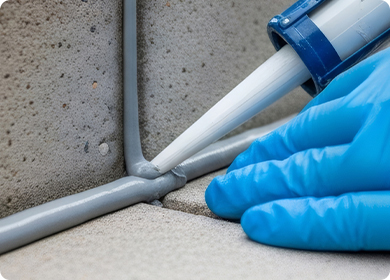
For porous surfaces like stone and concrete a neurtal silicone will provide you good adhesion without risk of staining the porous surface.
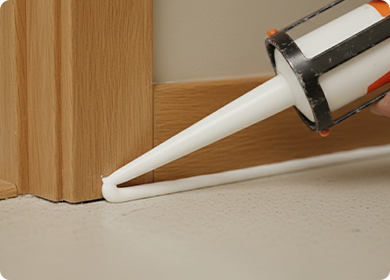
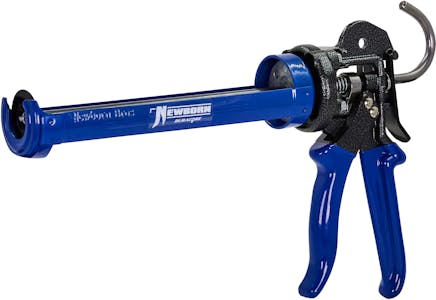
You will need a caulking gun to apply most sealants. Wurth has a range or products you can choose from including a pnuematic option for heavy use, click here.
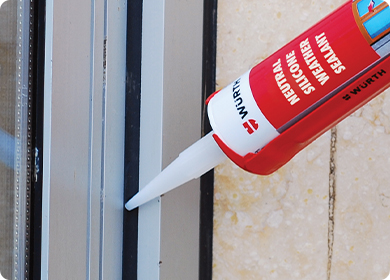
Wurth Canada offers a range of silicones in convienent pressurized bag-on-valve tube technology that can be used without a caulking gun. These are easy to control and can be used even if you do not have a caulking gun handy! Click here to shop these products.
No, not any sealant can be painted over. It depends on which type of sealant you are using. Anything that is a silicone will not be paintable. Acrylics, siliconized acrylics and polyurethanes can all be painted after curing. Check your product label for the paintable pictogram to verify.
Silicones can be extended using mineral oil which can make them less expensive to produce. 100% silicone means you are not getting any dilution to the product. Typically 100% silicones will perform better than extended silicones offering longer lifespan, less shrinking and cracking and less yellowing.
It is likely the silicone you are using is extended. Extended silicones will shrink significantly during the curing process and they are also less flexible which will make them prone to cracking if stressed. It can also happen if you are using an acrylic in a high moisture or outdoor environment exposed to UV. It can also be due to the gap that is being filled is too large.
Use a backer rod when sealing joints deeper than 1/4 inch or gaps wider than 1/2 inch. It helps control the sealant depth and prevents 3-point adhesion—when the sealant sticks to both sides and the bottom of the joint, which can cause cracking over time.
Yes, most sealants are sandable, but you must wait for the product to fully cure which will vary based on product type, thickenss of the bead and environmental conditions. Be sure to check the instructions for the recommended full cure time.
Dry times vary considerably between type of sealant, thickness of bead and environmental factors like temperature and humidity levels. Check the packaging for the typical dry times and note the environmental conditions.
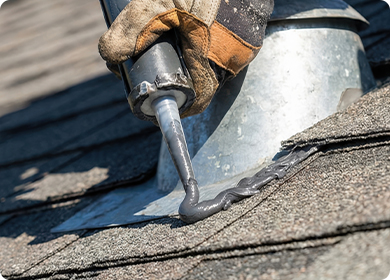
A silicone sealant will offer you the best waterproofing and UV resistance. Choose a high quality, 100% silicone product to prevent cracking, shinking and yellowing. If you do need to paint the surface after a siliconized acrylic will also work very well in outdoor environments.
Using an acetic silicone on sensitive metals or porous surfaces like concrete and stone can cause staining due to the vapours emitted when curing. To avoid this, use a neutral cure silicone. Wurth Canada has several neutral curing products to choose from, click here.
RTV silicone (room-temperature-vulcanizing silicone) is a type of silicone rubber that cures at room temperature. Most silicones on the market are RTV even if it is not specifically mentioned on the label.
Yes we have our General Purpose Silicone available in 4 colors! Click Here to Shop.
Both are silicone sealants. Usually a gasket maker will be specially formulated to have the highest possible temperature and chemical resistance. Many auotmotive gasket makers are also sensor safe.
Sealants can yellow for a variety of reasons and it depends on which product you are using and in what type of environment. Here are a few reasons this may happen:
You are using an exended silicone. 100% silicones are more expensive, but extending the silicone can cause yellowing over time. Try a more premium product. Wurth Canada only offers 100% silicones.
The sealant is an acylic. Typically these are used when painting is required so unpainted acylics can yellow over time.
You used a neutral curing silicone in the absence of UV light (i.e. a very dark basement). This might seem counterintuitive, but a neurtal cure silicone with no UV light exposure can yellow. Yellowing can actually be reversed by exposing the surface to UV light. Try using an acetic silicone for these dark area applications.
Most likely the surface was not clean before application. Sealants can adhere to most materials. Surfaces should be cleaned and free of oil, dirt and dust. The surface also should be dry before applying a sealant.